


What Is an Ocular Disease?
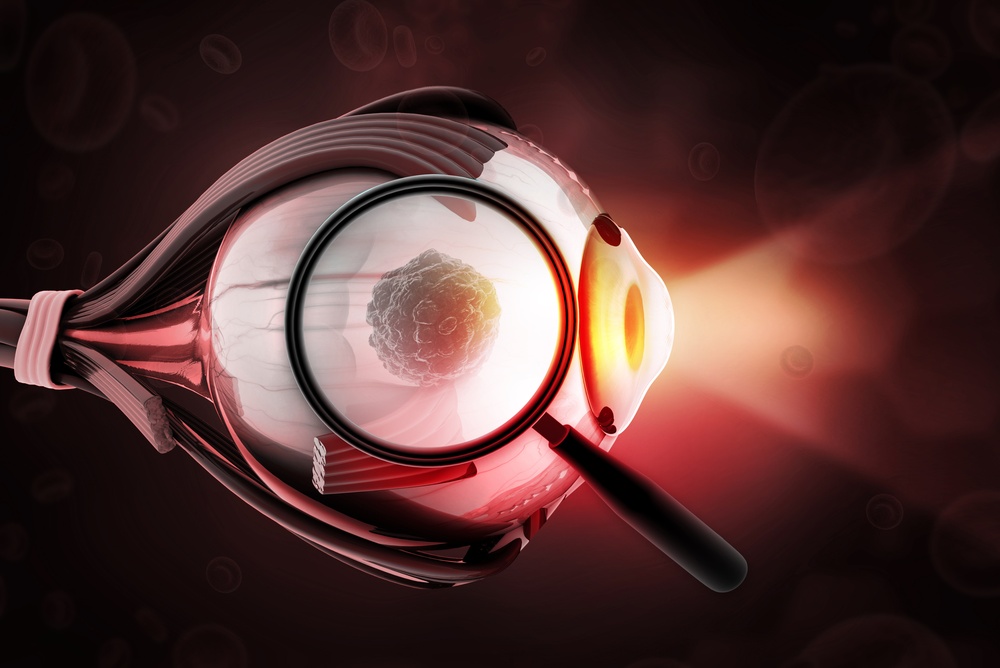
When people think about eye health, they often focus on whether they can see clearly. If vision seems sharp, it is easy to assume everything is fine. However, ocular diseases can develop quietly and progressively, sometimes without noticeable symptoms in the early stages.
Understanding what an ocular disease is - and why routine eye exams matter - can help protect your long-term vision.
What Is an Ocular Disease?
An ocular disease is any medical condition that affects the structures of the eye and interferes with healthy vision or eye function. These conditions may impact the optic nerve, retina, lens, cornea, or other parts of the eye. Some develop gradually with age, while others are linked to systemic health conditions such as diabetes or high blood pressure.
Many ocular diseases are manageable, especially when detected early. Without proper monitoring and treatment, however, some can lead to permanent vision loss.
Common Ocular Diseases
At Modoc Family Optometry, we regularly screen for and manage a variety of eye conditions. Some of the most common include:
Glaucoma
Glaucoma is a group of eye conditions that damage the optic nerve, often due to increased pressure inside the eye. It is sometimes called the “silent thief of sight” because it typically has no early warning signs. Vision loss from glaucoma is permanent, but early detection and treatment can significantly slow its progression.
Cataracts
Cataracts occur when the natural lens of the eye becomes cloudy, leading to blurred vision, glare, and difficulty seeing at night. Cataracts are common with aging and tend to develop gradually. While they are not preventable, they are treatable - often with a safe and effective surgical procedure when vision becomes significantly affected.
Macular Degeneration
Macular Degeneration, particularly age-related macular degeneration (AMD), affects the macula - the part of the retina responsible for sharp central vision. It can make tasks like reading, driving, or recognizing faces more difficult. Early detection allows for monitoring and, in some cases, treatment to help slow progression.
Diabetic Retinopathy
Diabetic retinopathy is a complication of diabetes that affects the blood vessels in the retina. Over time, elevated blood sugar levels can damage these vessels, leading to swelling, leakage, or abnormal blood vessel growth. In advanced stages, it can cause serious vision loss. Regular eye exams are essential for anyone with diabetes, even if vision appears stable.
The Importance of Early Detection
Many ocular diseases do not cause pain or noticeable symptoms at first. That is why comprehensive eye exams are critical. During your visit, we evaluate not only your vision but also the overall health of your eyes. Advanced diagnostic tools allow us to detect subtle changes long before they affect your daily life. Early detection gives us more treatment options and a better chance of preserving your vision.
Collaboration with Primary Care Doctors
Eye health is closely connected to overall health. Conditions like diabetes, hypertension, and autoimmune disorders can directly impact the eyes. At Modoc Family Optometry, we collaborate with primary care physicians and other healthcare providers to ensure coordinated care.
If we detect signs of a systemic condition during your eye exam, we communicate with your primary care doctor to support comprehensive management. Likewise, if you have an existing health condition, we work as part of your healthcare team to monitor how it may be affecting your eyes. This collaborative approach helps protect both your vision and your overall well-being.
Schedule Your Comprehensive Eye Exam at Modoc Family Optometry
An ocular disease is any condition that affects the health and function of the eye. From glaucoma and cataracts to macular degeneration and diabetic retinopathy, these conditions often develop gradually and may not cause symptoms right away. Early detection, ongoing monitoring, and collaboration with your primary care doctor are key to protecting long-term vision.
If it has been a while since your last eye exam, or if you have a health condition that may impact your eyes, schedule a comprehensive eye exam at Modoc Family Optometry. Visit our office in Alturas, California, or call (530) 233-2020 to book an appointment today.


MAP
© 2026 Modoc Family Optometry . All Rights Reserved. Accessibility Statement - Privacy Policy - Sitemap
Powered by: 